Tractor unit or tipper truck: choose around the work you need to do
A tractor unit is designed to pull a compatible semi-trailer; a rigid tipper carries a tipping body on its own chassis. Start with the cargo and unloading process, then check the complete vehicle combination, operating limits and condition. Neither choice is best for every job.
Firefly TruckPublished Updated
In this article
Understand what you are comparing
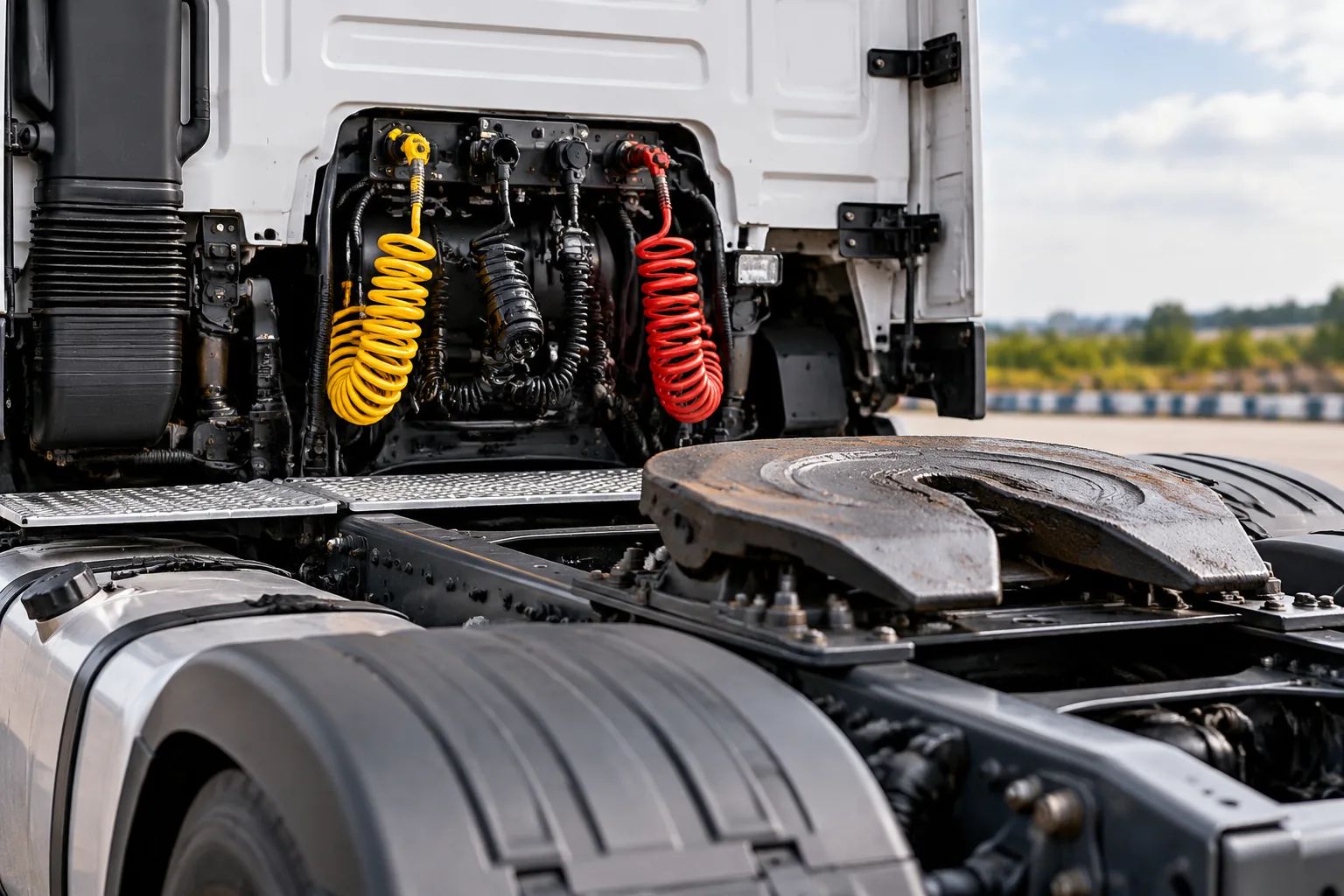
A tractor unit connects to a compatible semi-trailer through its coupling equipment. The trailer determines much of the cargo-carrying function. A rigid tipper has its body mounted on the truck chassis and is intended to unload suitable material by tipping that body. A tractor can also pull a tipping semi-trailer, so the choice is not simply 'tractor for all roads' versus 'tipper for all sites'.
Specify the complete combination you need. A quotation for a tractor alone does not include a trailer unless the offer says so. A tipper body also needs to be appropriate for the material and operating method; volume alone does not establish a safe or legal payload.
Describe the cargo, route and unloading site
Start with cargo type, density, required quantity per trip and loading method. Consider journey length, gradients, surface conditions, turning space, access restrictions and the unloading procedure. Share these details with a competent vehicle supplier or engineer so the configuration can be checked against the intended duty.
For general freight or container work, define the trailer and loading arrangement.
For bulk material, confirm body suitability, material behaviour and the permitted unloading procedure.
For confined sites, check actual dimensions and manoeuvring space rather than assuming a vehicle type will fit.
For mixed duties, compare the practical costs and compatibility requirements of changing trailers or using dedicated vehicles.
Describe cargo, route, access and unloading conditions so the complete vehicle can be assessed for the intended work.
Check ratings and compatibility before choosing power
Vehicle selection should not be based on horsepower alone. Confirm manufacturer ratings, axle and tyre capacities, gross vehicle or combination limits, braking compatibility, drivetrain suitability and applicable local restrictions. The permissible operating load is not simply the largest number quoted in an advertisement.
For a tractor and trailer, have coupling height, fifth-wheel and kingpin compatibility, electrical and air connections, clearances and relevant ratings checked. For a rigid tipper, examine the body, subframe and hydraulic installation as part of the complete vehicle. Ask for documentation and competent advice when a vehicle has been modified.
Inspect the used equipment as a system
For either option, verify identity, condition and maintenance evidence for the actual unit. A tractor's coupling and connections need attention alongside the engine, frame and running gear. A tipper's hinges, body, mounting points, hydraulic equipment and controls add their own inspection needs.
Tipping can create serious stability hazards. Do not infer safe tipping conditions from an advertisement or a video. Operators need the correct training, suitable ground, clearance from overhead hazards and the manufacturer's operating instructions. An inspection demonstration should be arranged and controlled by competent people.
Assess coupling equipment and air and electrical connections as part of the complete vehicle. Appearance alone does not establish compatibility.
Compare total costs and support
Ask what is included in each quotation, including any trailer, body repairs, tyres, inspection and transport. Consider access to suitable service facilities and replacement parts in the destination market. Estimate operating costs using your actual route, load and maintenance plan; generic fuel-consumption claims are not a reliable budget.
A suitable next step is a short written requirement: cargo, quantity, route, loading and unloading method, destination and any mandatory specifications. Use that requirement to compare complete configurations and condition reports. This guide does not recommend a universal axle layout, payload or engine rating.
Continue with vehicle verification
The UK Driver and Vehicle Standards Agency's HGV walkaround guidance illustrates operational checks. It does not certify a vehicle's suitability for your application or replace the manufacturer's ratings and destination rules.