Is a used truck worth buying? Turn inspection findings into a repair budget
A lower purchase price can hide a larger bill before the truck can work. Separate confirmed defects from unanswered questions, obtain written repair estimates and compare vehicles for the same job. This checklist helps you decide what to verify, what to price and when to pause a purchase.
Firefly TruckPublished Updated
In this article
Compare the same job before comparing prices
Write down the cargo, expected legal load, route, gradients, road surface, daily distance and loading method. Check the actual vehicle's plated ratings, axle and tyre capacities, trailer compatibility and local limits. A bigger body or a higher horsepower figure does not establish usable payload. Ask a competent specialist to confirm suitability rather than treating every truck in the same price range as interchangeable.
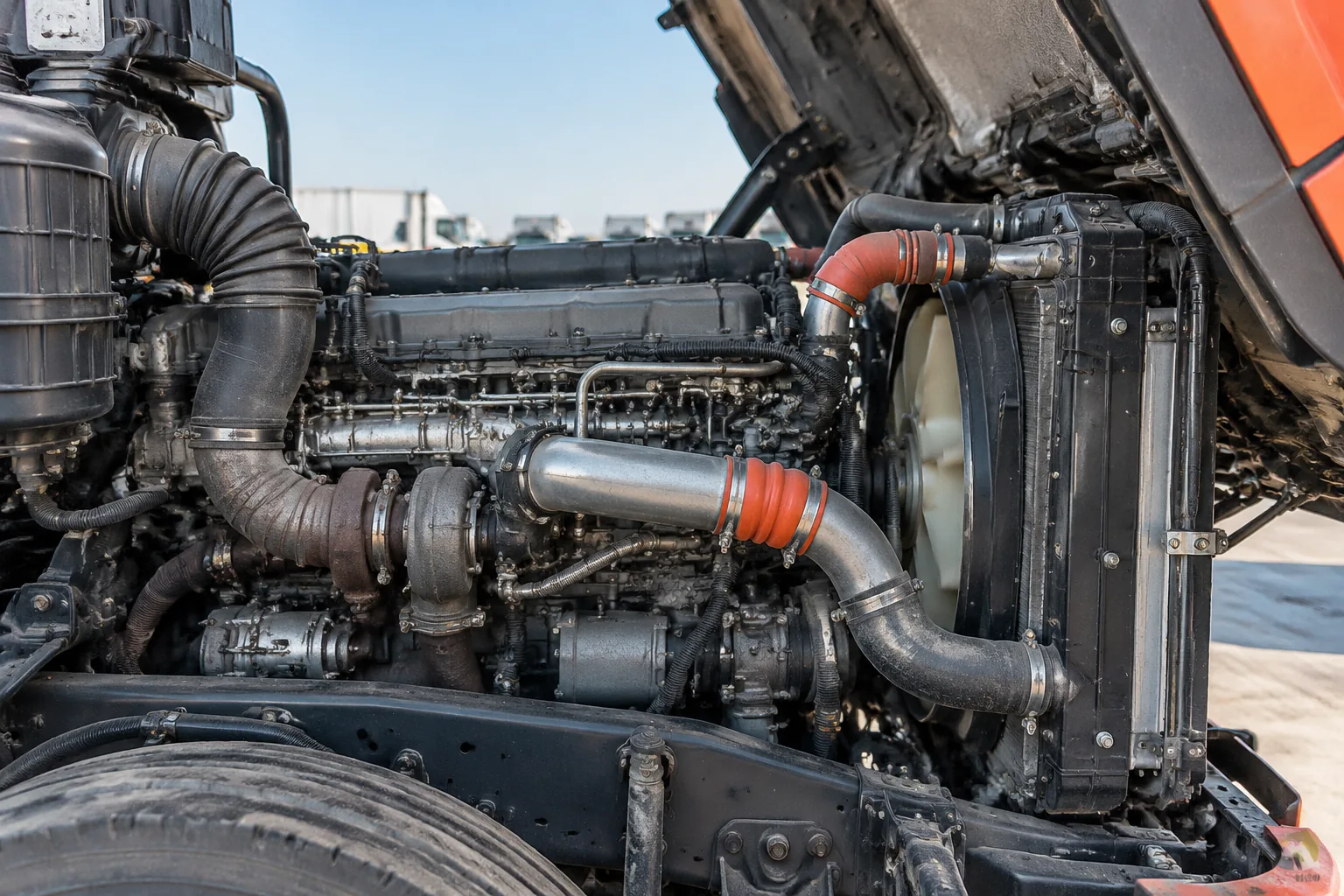
Check where the vehicle can be serviced at its destination. Obtain the engine, gearbox and axle identification details, not just the brand badge. A truck that is easy to repair in one market may require imported parts or unavailable diagnostic equipment in another.
Put inspection findings into three decision groups
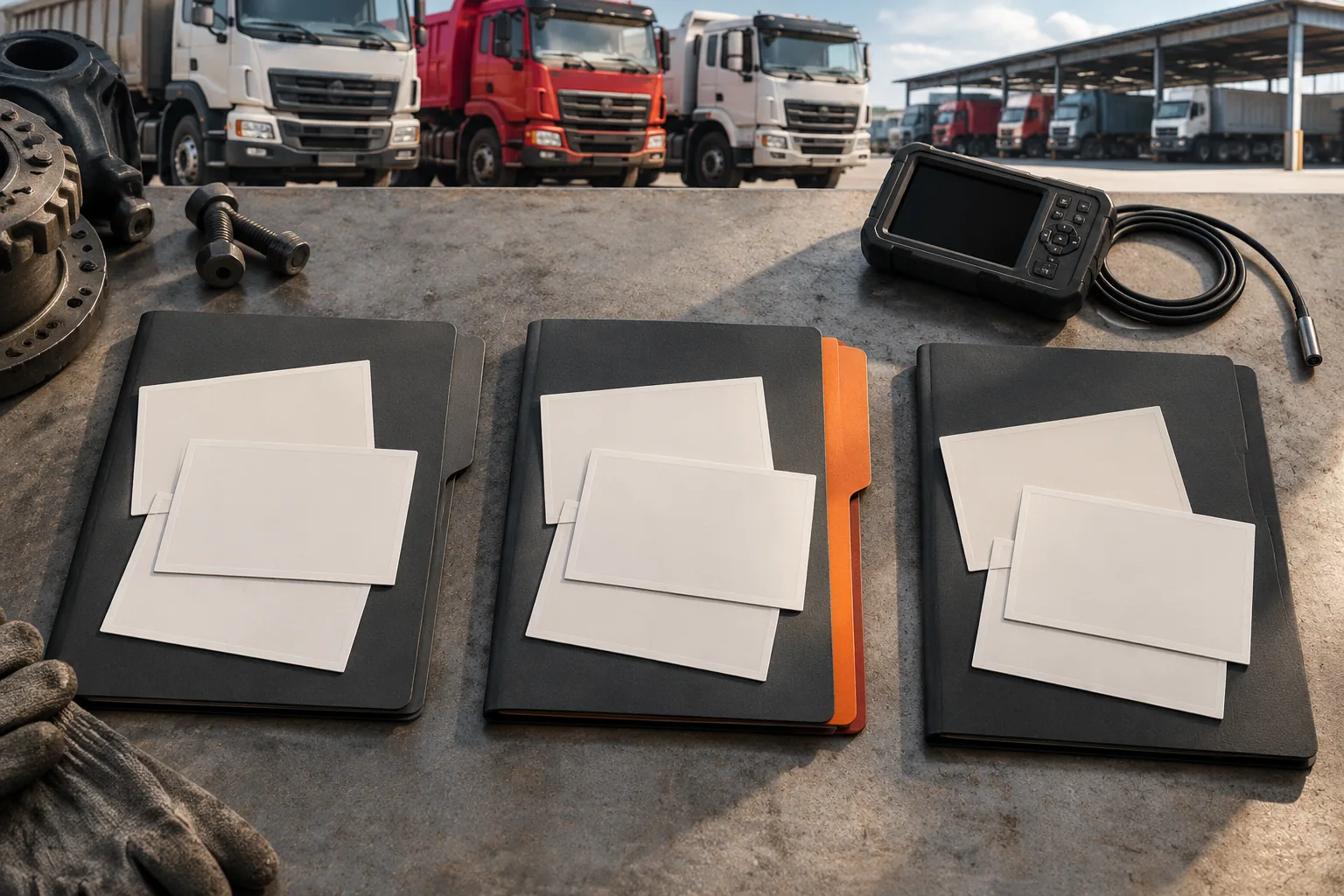
Safety or identity unresolved: disputed vehicle identity, suspected structural damage, or brake, steering and wheel defects. Pause commitment until a qualified inspector establishes the condition and repairability. A discount is not a repair.
Confirmed work that can be priced: documented tyre wear, a diagnosed leak, or overdue servicing supported by records. Ask for parts, labour, testing and exclusions in writing.
Unknown condition: missing service history, an unexplained warning lamp, or no acceptable operating test. Mark the cost as unknown; do not enter zero in the comparison sheet.
For each entry, keep a photo or report reference, its location, the inspector's finding, the responsible party and what evidence will close the item. A walkaround is useful but cannot replace a full pre-purchase inspection.
Keep unresolved safety or identity concerns, confirmed work and unknown condition in separate groups. A discount does not resolve a defect.
Ask for evidence rather than diagnosing from a video
Arrange a genuinely cold start and a suitable operating assessment with competent personnel in a controlled location. Record whether the engine was already warm. Smoke, a sound or a stain alone does not identify a failed component; note when it occurs and ask for a diagnosis. Road or loaded testing requires the necessary permissions, safe condition and qualified personnel.
Request relevant diagnostic reports with the vehicle identity, date and operating conditions. A fault code is a starting point, not proof that the named part must be replaced. A cleared warning lamp is not proof of a completed repair. Ask for the diagnosis, work record and repeat check. Never go beneath an unsupported truck or raised body to obtain a photograph.
Confirm parts and repair scope before negotiating
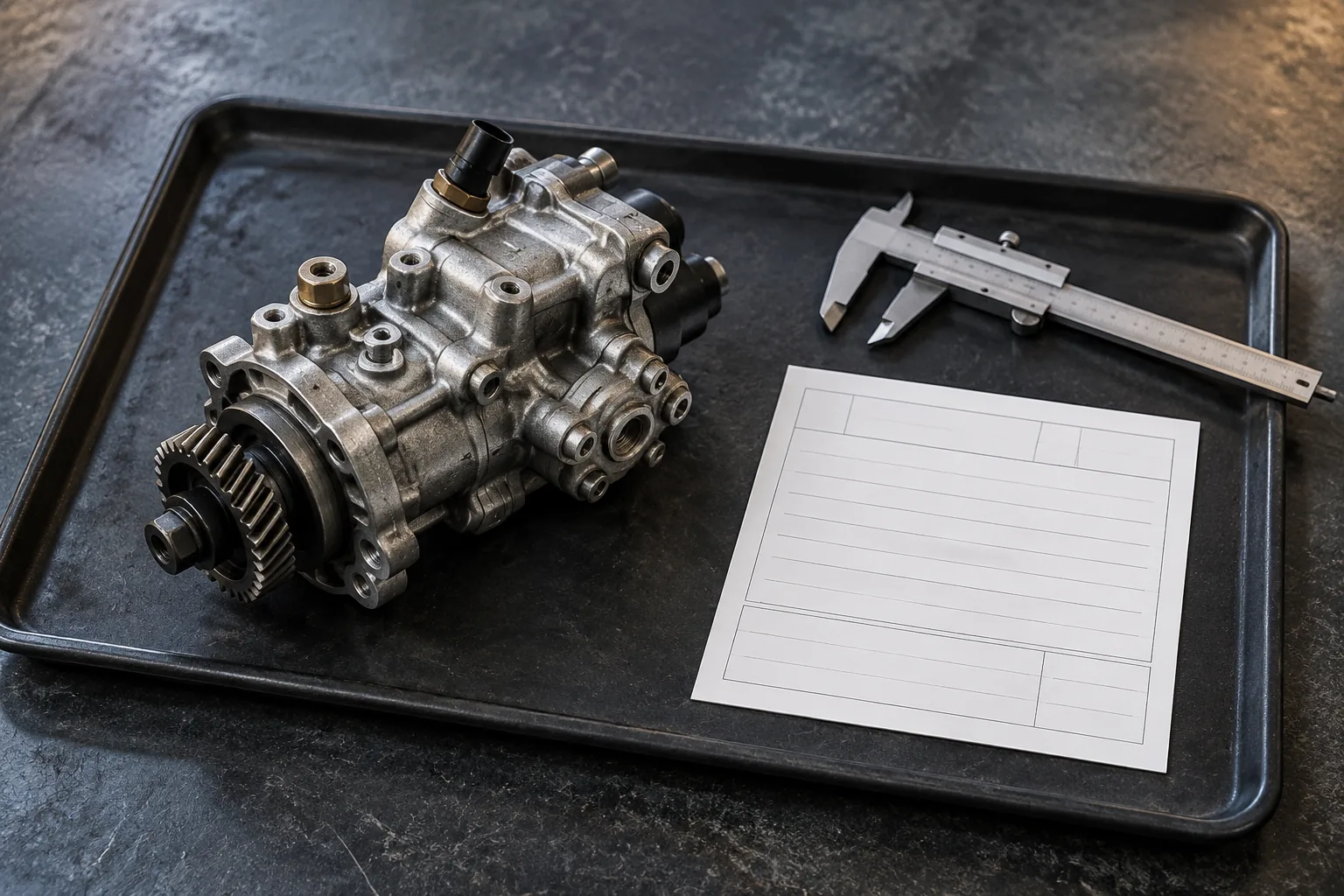
Send the repairer the VIN or chassis identification, component identification and clear photographs. Ask them to confirm the exact part specification, availability, landed cost, required programming or calibration, labour and post-repair testing. Similar appearance or the same commercial model name does not guarantee compatibility.
For a rebuilt component, clarify exactly what was replaced, what was tested and the written warranty exclusions. For seller-arranged repairs, agree on the acceptance evidence before paying for the work. Separate estimated parts delivery from confirmed availability and allow for diagnostic work that may reveal further damage.
Confirm the component specification, parts, labour and acceptance checks before agreeing to repairs.
Build a ready-to-work comparison, with unknowns visible
Use separate rows for vehicle price, independent inspection, transport and import charges, essential repairs, initial maintenance, registration or testing, and foreseeable downtime. Confirm which items are already included in the quotation so they are not counted twice. Keep unresolved items separate from the confirmed subtotal.
Illustrative decision: truck A is cheaper but has unexplained coolant loss; truck B costs more and has a documented inspection and service history. It is not possible to rank their real costs until A's problem is diagnosed. The useful next step is a diagnosis and written estimate, not an invented standard repair allowance. This is a comparison example, not a customer case.
Vehicle reference: [ ]. Intended duty: [ ]. Defect and evidence: [ ]. Inspector/repairer: [ ]. Agreed repair scope and exclusions: [ ]. Parts and labour quote: [ ]. Unresolved costs: [ ]. Completion evidence and acceptance check: [ ]. Who pays and when: [ ].
Use the findings to make a documented purchase decision
Proceed only when the vehicle is suitable, the important unknowns have been resolved and the contract identifies any repairs and acceptance conditions. If a safety-critical or structural concern remains unresolved, obtain specialist advice or consider another vehicle. Keep the inspection and repair records for the vehicle's maintenance file after delivery.
References: the UK DVSA's daily HGV checks and roadworthiness maintenance guide explain defect reporting, inspections and repair records. These are UK references, not a statement of the rules in your destination; use the applicable local requirements and manufacturer instructions.